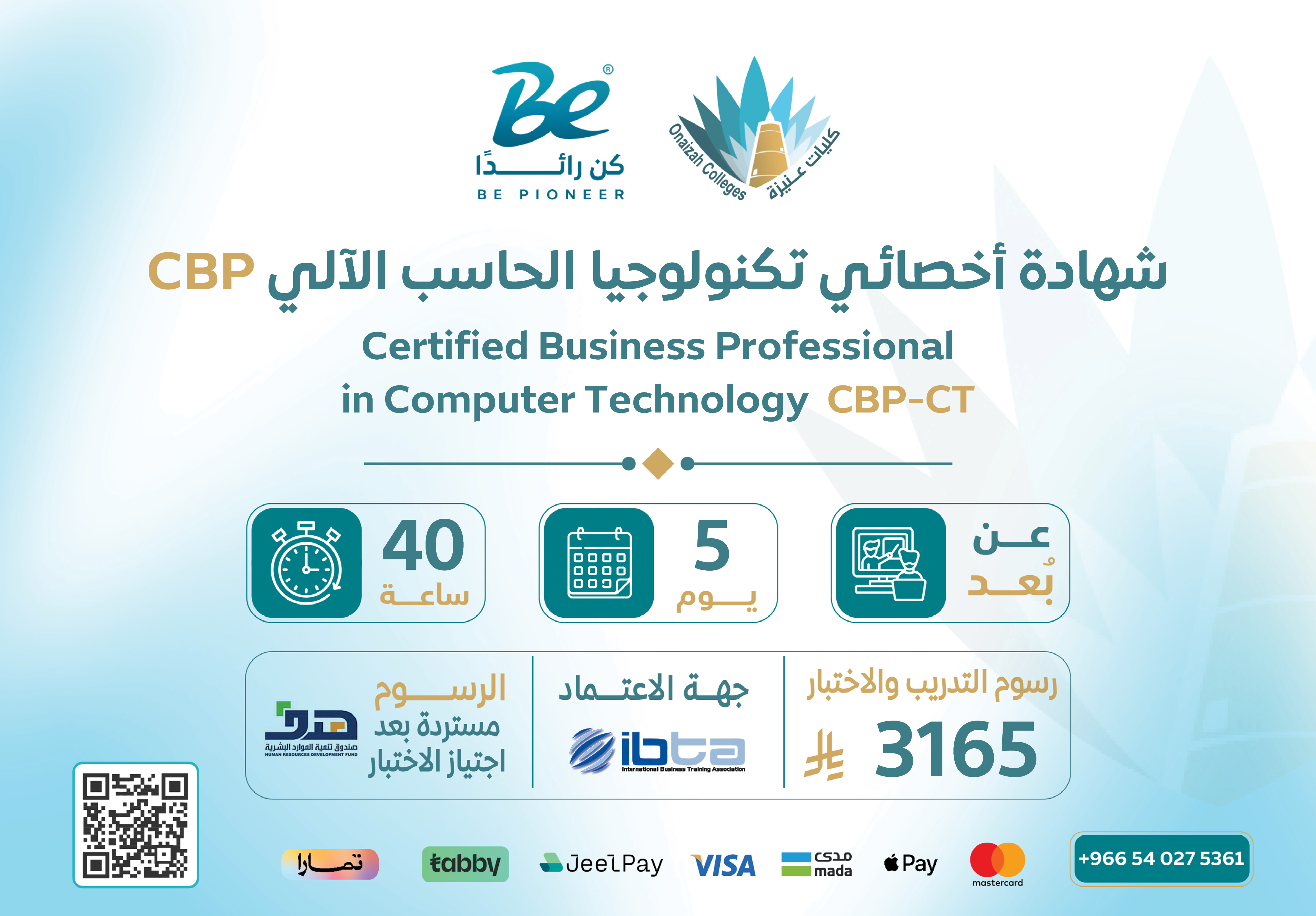
In an era where technology has woven itself into every detail of daily work, from the simplest desktop device to the most complex cloud systems running entire organizations, basic computer knowledge is no longer a nice-to-have skill; it has become an implicit requirement for nearly every job, even those not typically classified as technical roles. But there's a fundamental difference between someone who uses a computer functionally on a daily basis without any deeper understanding of how it works, and someone who has a systematic, comprehensive grasp of technology fundamentals that lets them navigate any digital environment with confidence and flexibility. This is exactly why the Certified Computer Technology Professional (CBP-CT) has emerged as a professional credential that formally establishes and documents this comprehensive understanding.
This article explores the scope and growing importance of this certification in today's digital job market, how it impacts the career trajectory of those who hold it, and the role of the be pioneer platform in guiding candidates through preparation for this credential with professionalism and confidence.
What Exactly Is the Certified Computer Technology Professional Credential?
CBP-CT is a specialized professional certification designed to measure and develop a comprehensive understanding of computer technology fundamentals, starting with hardware and software components, moving through operating systems and how they're managed, and extending to the basic concepts of networking, cybersecurity, and data management. This certification doesn't just measure theoretical knowledge disconnected from reality; it focuses primarily on a person's practical ability to navigate an integrated technical environment, including diagnosing common technical issues, managing files and data efficiently, understanding the basics of network communication, and handling digital information securely.
This credential distinguishes itself from technical certifications that go deep into a single narrow field by adopting a broader, horizontal approach that covers several core technical areas at once. This is precisely what makes it particularly well-suited for those who want to build a solid, comprehensive foundation before specializing later in a deeper technical field, as well as for those whose work requires a broad, reliable understanding of various aspects of technology without necessarily needing to go extremely deep into any single specialty.
Why This Certification Has Become a Trusted Standard Across Different Work Environments
In any modern organization, whether a small startup or a large government institution, daily operations depend heavily on the sound, secure, and efficient use of various technical systems. As reliance on technology grows across every aspect of work, employers are increasingly looking for employees who don't just use computers superficially, but who have a genuine understanding of how these systems function, how to handle simple technical issues without constantly needing specialized IT support, and how to protect their data and information from ever-growing digital risks.
When a job candidate lists CBP-CT on their resume, they're sending a clear signal to the employer that they have a reliable technical foundation that can be built upon quickly, regardless of the specific nature of the role they're applying for. This kind of foundational competency has become highly sought after not just in directly technical roles like IT support and systems administration, but also in various administrative and office roles that involve intensive daily interaction with digital systems, such as administrative coordination, project management, digital customer service, and even certain marketing roles that increasingly rely on various digital tools and platforms.
Many organizations working to develop the general digital competency of their workforce, regardless of employees' specific job functions, have also started encouraging or requiring their staff to earn foundational technical credentials like this one, viewing it as an investment in raising the organization's overall operational efficiency and reducing excessive reliance on IT support departments to handle simple issues that any trained employee could resolve on their own.
The Knowledge and Skills Covered by This Certification
This certification covers a broad range of interconnected technical topics that together form a comprehensive understanding of the modern computing environment. The path typically begins with understanding the basic components of a computer, whether hardware components like the processor, memory, and storage devices, or software components like operating systems and various applications, with an emphasis on understanding how these components interact together to form an integrated, efficiently functioning computer system.
From there, the content moves into file and data management, where candidates learn how to organize and save files in a secure, logical way, how to perform regular backups to protect important data from loss, and how to work with cloud storage, which has become an essential part of the modern digital work environment. The certification also covers networking fundamentals, including understanding how devices connect to one another, the basics of the internet, and how to connect to it safely and efficiently.
Because digital security has become one of the most pressing concerns in the modern workplace, this certification places special emphasis on cybersecurity fundamentals, such as recognizing common types of digital threats like viruses, malware, and phishing attempts, basic ways to protect against them, the importance of using strong, secure passwords, and how to handle suspicious messages and links with caution, since these are often used to breach systems or steal personal and professional information.
How the Exam Works and How the Certification Is Earned
Candidates for this credential take an exam that combines theoretical questions measuring their understanding of core technical concepts with practical tasks that test their actual ability to apply these concepts in realistic scenarios simulating the challenges they might face in their daily work environment. For example, a candidate might be asked to diagnose a simple technical issue and identify the appropriate solution, organize a set of files according to a specific logical system, or identify the warning signs of a suspicious email that might be a phishing attempt.
This combination of theoretical and practical components in the exam design makes the certification more accurate in measuring a candidate's actual competency, rather than simply measuring their ability to memorize theoretical information that might not necessarily translate into real performance when facing an actual technical situation in their work environment. Once a candidate passes the exam, they receive a digital certificate that can be verified electronically and added to their professional profile on job platforms and various professional networks.
The Career Impact of This Certification
Many people who have earned this certification notice a marked increase in their confidence when dealing with any new technical environment. Instead of feeling confused or constantly needing to ask for help when facing a simple technical issue, they become able to handle these situations with greater confidence and independence, a shift that directly translates into higher productivity and efficiency in performing their daily tasks, regardless of the specific nature of their job.
Certification holders also find themselves in a stronger position when applying for jobs that require a baseline level of technical competency, even if those jobs aren't technical in the strict sense of the word, since employers increasingly value employees who can navigate digital systems efficiently and independently, without needing constant supervision or repeated IT support for the simplest of tasks. In some cases, this certification serves as a genuine launching point for those looking to move later into a more specialized technical career path, providing the foundational knowledge needed before diving deeper into narrower, more specific technical fields such as network administration, advanced cybersecurity, or software development.
The impact isn't limited to purely professional outcomes; it also extends into a person's daily life outside of work, as they become better equipped to protect their personal data, handle widespread digital risks with greater caution, and use various technical tools more efficiently across different aspects of their personal and professional lives.
How to Prepare Effectively to Pass This Certification with Confidence
Good preparation for this certification requires building a balanced study plan that covers all the technical areas the credential addresses, rather than focusing on one area at the expense of others. It's extremely helpful for candidates to start with a comprehensive review of core concepts related to computer components and operating systems, making sure they have a deep understanding of how these components work together, rather than just memorizing their names and functions in isolation.
It's also strongly recommended to get direct hands-on practice with the required skills, such as organizing files, performing backups, and handling basic network settings, since this kind of practical application builds understanding far more deeply than theoretical reading alone, and gives candidates genuine confidence when facing similar questions or practical tasks on the actual exam. Another important aspect of good preparation is staying up to date on the latest developments in digital security, since this field evolves rapidly, and what was considered adequate security practice a short time ago may no longer be sufficient today.
Because this kind of comprehensive preparation can feel scattered for someone tackling it alone without a clear plan, joining a structured training program that offers logically sequenced content, along with opportunities for hands-on practice and ongoing review, makes a real difference in the quality of preparation and the level of confidence candidates bring to the official exam.
The Role of be pioneer in Supporting Your Technical Journey
The be pioneer platform offers specialized training programs carefully designed to guide trainees step by step through the process of preparing for the Certified Computer Technology Professional certification. This is achieved through a teaching methodology that combines clear, simplified explanations of technical concepts with intensive hands-on application to realistic scenarios inspired by the everyday technical challenges people face across different work environments.
Instructors on the platform, who bring genuine hands-on experience across various fields of information technology, make it a priority to connect every theoretical concept to a tangible practical application, so that trainees don't leave a training session with theoretical knowledge disconnected from reality, but with an actual skill they can apply immediately when handling different digital systems in their daily lives. The platform also provides detailed individual follow-up for each trainee, including ongoing assessment of their progress and identification of areas that need further review and practice before sitting for the official exam.
What sets a trusted platform like be pioneer apart is its commitment to continuously updating its training content to keep pace with the latest technical developments and security threats, which is critically important in a field that evolves rapidly with every new technical update or emerging security threat in the digital world. The platform also provides a genuinely interactive environment where trainees can ask questions directly and discuss practical technical situations with specialized instructors, rather than being limited to static training materials that allow no real interaction.
Anyone seriously considering pursuing the Certified Computer Technology Professional credential should understand that this certification is not merely a cosmetic addition to their resume, but a genuine investment in building a solid technical foundation that will serve them in whatever career path they choose next, whether they stay in their current field or move toward a deeper technical specialization in the future. Every hour spent in serious preparation and continuous hands-on practice eventually translates into greater confidence when navigating any new digital environment, a stronger ability to independently solve everyday technical problems, and broader career opportunities in a job market that grows more dependent on technology by the day.
More importantly, choosing a clear, structured training path from the very start saves a great deal of the time and effort that could otherwise be wasted on unguided, scattered preparation attempts. Joining a comprehensive training program, like the one offered by be pioneer, sets trainees on the right path from day one and gradually, with full confidence, brings them closer to the moment they pass the exam and earn a credential that meaningfully and sustainably strengthens their position in the digital job market.
Ultimately, the Certified Computer Technology Professional (CBP-CT) remains one of the smartest investments anyone can make, whether at the very start of their career or somewhere in the middle of it, because it combines a comprehensive understanding of modern technology fundamentals, practical skill in handling everyday technical challenges, and a tangible impact on personal confidence and career advancement opportunities. Anyone who begins this journey with deliberate steps and serious training will, within a relatively short time, find themselves holding a credential that gives them a solid foundation to build on in a digital world that never stops evolving and changing.